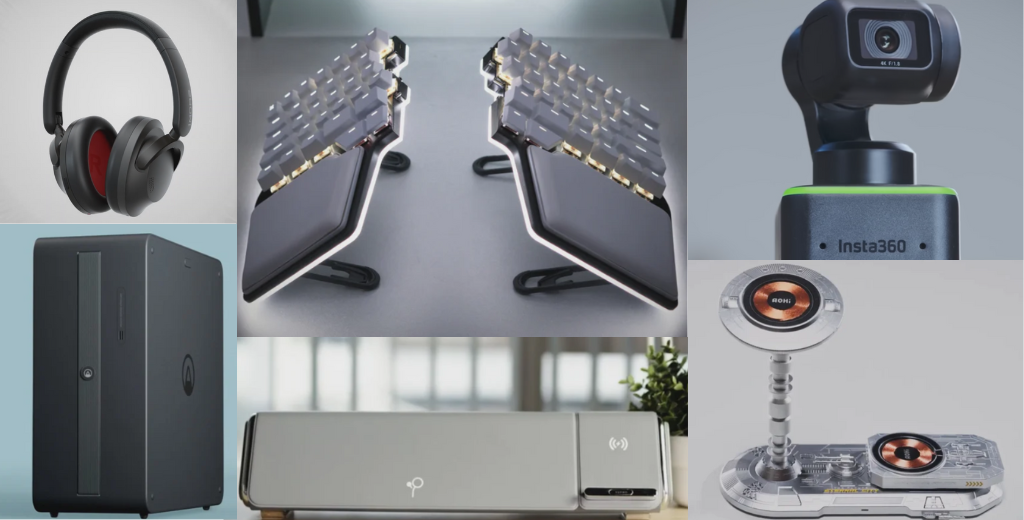
Are These Gadgets the Future of Humanity? Exploring AI and Automation
As we stand on the brink of a technological revolution, the question arises: Are these gadgets the future of humanity? The rapid evolution of AI and automation has initiated a seismic shift in how we interact with the world around us. From smart homes and autonomous vehicles to powerful virtual assistants, these innovations promise to enhance our daily lives significantly. The convenience they offer is undeniable, but we must also consider the implications of this rapid change on employment, privacy, and societal norms.
One of the most compelling aspects of AI and automation is their potential to solve complex problems and increase productivity across various sectors. For instance, industries like healthcare and manufacturing are already witnessing improved efficiency through automated processes. Gadgets powered by AI can analyze data at astonishing speeds, providing insights that were once unimaginable. However, as we embrace these advancements, it's crucial to strike a balance between technological progress and ethical considerations to ensure that these tools serve humanity rather than replace it.
Counter-Strike is a highly popular tactical first-person shooter that emphasizes team-based gameplay and strategy. Players can choose to be part of the terrorist or counter-terrorist team, each with specific objectives to achieve. In addition to its intense gameplay, players often strategize about optimizing their gaming setups, including the use of Top 10 charging stations for their devices to ensure minimal downtime during matches.
10 Mind-Blowing Devices That Could Replace Humans
In the age of rapid technological advancement, it's fascinating to consider the possibilities of devices that could potentially replace humans in various tasks. From advanced robots to AI-driven machines, several innovations are poised to revolutionize our daily lives and workplaces. Here are 10 mind-blowing devices that exemplify this trend:
- Boston Dynamics' Spot - This agile robot is designed for industrial uses, capable of navigating challenging terrains and performing inspections.
- Robotic Exoskeletons - Enhancing human capabilities, these devices allow individuals to lift heavy objects and perform physical tasks without fatigue.
- AI-Powered Chatbots - Offering customer support and engagement, these intelligent systems can handle inquiries, freeing up human workers for more complex tasks.
- Autonomous Drones - Used for delivery, surveillance, and mapping, these airborne devices are changing logistics and aerial photography.
- Self-Driving Cars - With the ability to navigate without human input, these vehicles are shaping the future of transportation.
- AI Surgery Robots - Enhancing precision in operations, these machines assist surgeons in various procedures, promising better patient outcomes.
- Home Assistant Robots - Designed to manage household chores, these robots can help with cleaning and maintenance tasks.
- 3D Printers - Capable of creating everything from parts to buildings, these printers are reshaping manufacturing and production.
- Virtual Reality Machines - Used for training and simulation, they can replicate real-life scenarios, potentially replacing human trainers.
- Wearable Health Monitors - Continuously tracking health data, these devices could replace routine check-ups and empower individuals to manage their health.
Will We Ever Need Humans Again? The Rise of Autonomous Technology
The rise of autonomous technology has sparked a significant debate: Will we ever need humans again? With advancements in artificial intelligence, robotics, and machine learning, many industries are experiencing profound changes. Tasks that once required human intervention are now being effectively managed by algorithms and robots, leading to increased efficiency and reduced costs. For instance, in sectors such as manufacturing and logistics, autonomous technology is not only enhancing productivity but also reshaping job roles, leaving many to wonder about the future of human employment.
However, while machines can perform many functions, there are aspects of human cognition and emotional intelligence that remain irreplaceable. Humans bring creativity, empathy, and critical thinking to the table—qualities that are essential in fields like healthcare, education, and the arts. As we step further into the era of automation, the challenge lies in finding a balance between leveraging technology and preserving the irreplaceable value of human contributions. Ultimately, the answer to whether we will need humans again may not be a definitive 'yes' or 'no,' but rather a conversation about integration and coexistence.