Unlocking the Truth: How RFID Scanners Can Steal Your Identity
RFID scanners have become increasingly prevalent in today’s technology-driven world, powering everything from contactless payment systems to access control mechanisms. However, this convenience comes with significant risks, including the threat of identity theft. RFID technology allows information stored on RFID tags—such as credit card details and personal identification—to be read wirelessly. This means that savvy criminals can use handheld scanners to capture sensitive data without ever needing to physically touch your card or document, effectively putting your identity at risk.
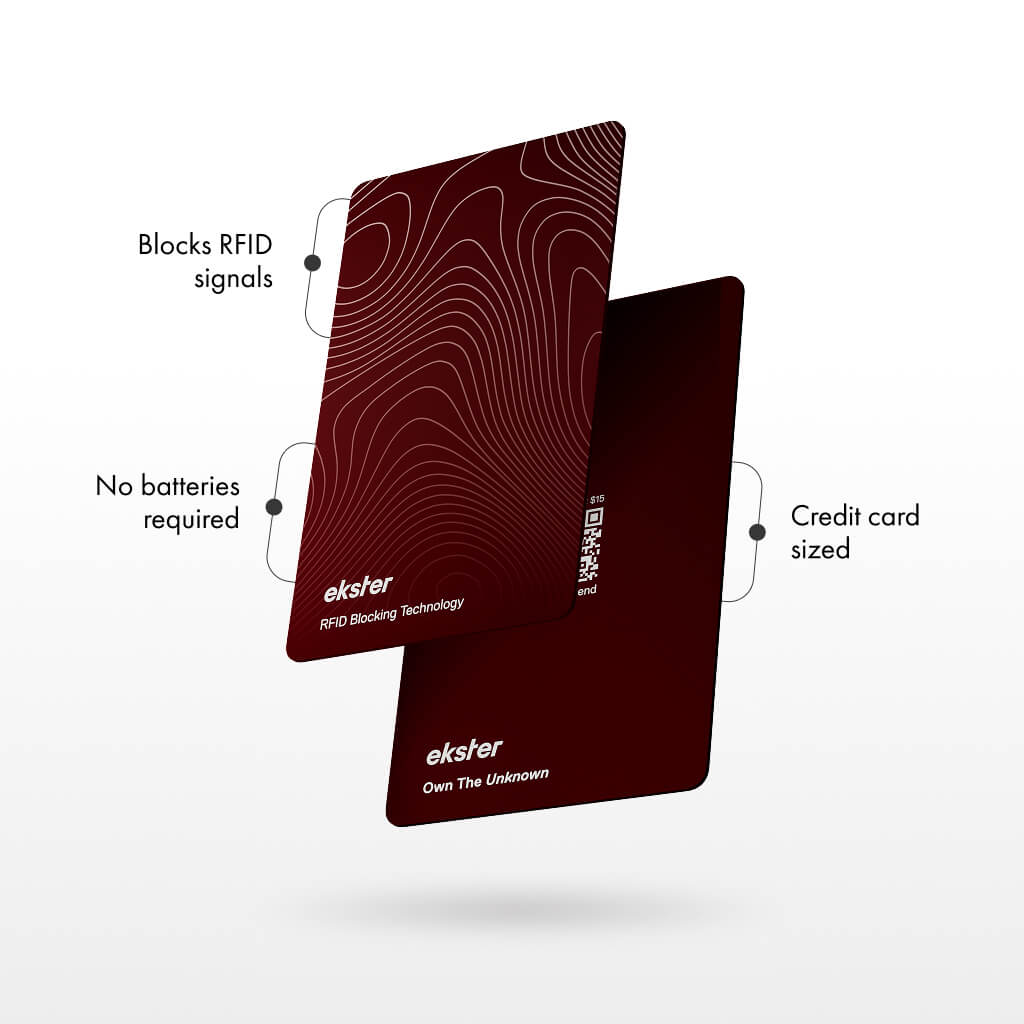
To protect yourself from RFID-based identity theft, consider implementing several safety measures. First, use RFID-blocking wallets or sleeves that prevent unauthorized scanners from accessing your information. Second, be cautious about how and where you use cards with RFID technology, avoiding public areas where scanners could be easily hidden. Lastly, regularly monitor your accounts for any suspicious activity, as early detection is crucial in mitigating potential damages.
Counter-Strike is a popular first-person shooter game that emphasizes teamwork and strategy. Players join either the terrorist or counter-terrorist team to compete in various game modes, showcasing their skills and tactical abilities. If you're looking to keep your gaming accessories organized, check out the Top 10 iphone wallet cases to find the perfect case that suits your style and needs.
The Hidden Dangers of Contactless Payments: Are Your Wallets Protecting You?
As the world shifts towards contactless payments, many consumers enjoy the convenience of tapping their cards or smartphones to make transactions. However, this ease of use can come with hidden dangers. One significant concern is the potential for data theft. With specialized devices, cybercriminals can easily intercept signals from contactless cards within a short range, compromising your financial information without your knowledge. Furthermore, many users remain unaware of the lack of built-in security measures for lost or stolen cards, making it crucial to evaluate whether your wallets are equipped with RFID-blocking technology.
Another issue related to contactless payments is the growing reliance on smart devices and applications that may not always prioritize security. As more people use smartphones for transactions, they may unknowingly expose themselves to vulnerabilities such as malware or phishing attacks. In fact, according to recent studies, a significant percentage of mobile wallets lack adequate encryption, leaving users open to identity theft and fraud. To protect yourself, it's essential to read reviews, ensure updates are regularly applied, and utilize two-factor authentication when available. Are your wallets doing enough to shield you from these rising risks?
RFID Blocking Wallets: Do They Really Work Against Modern Thieves?
RFID blocking wallets have gained popularity among consumers concerned about identity theft and unauthorized RFID scanning. These wallets are designed with special materials that disrupt radio frequency identification (RFID) signals, which can prevent modern thieves from accessing sensitive information stored in RFID-enabled credit cards and identification cards. In theory, when you place your cards inside an RFID blocking wallet, the device's ability to communicate with card readers is effectively blocked, making it significantly more challenging for thieves to skim your data.
However, the effectiveness of RFID blocking wallets can vary depending on several factors, including the quality of the materials used and the technology employed by the skimmers. While many reputable brands have tested their products to ensure proper shielding, not all wallets on the market offer the same level of protection. Ultimately, while these wallets can add an extra layer of security, it's essential to remember that they should be used alongside other safety practices, such as regularly monitoring your financial statements and being cautious about where you use your cards.