The Rise of 5G: Transforming Connectivity and Beyond
The advent of 5G technology is heralding a new era of connectivity, transforming the way we interact with the digital world. Unlike its predecessors, 5G promises significantly faster data speeds, lower latency, and the ability to connect a multitude of devices simultaneously. With download speeds potentially exceeding 10 Gbps, this technology is poised to enhance a range of applications, from streaming ultra-high-definition videos to facilitating real-time communication in virtual environments. As businesses and consumers alike leverage these capabilities, the impact of 5G on industries such as healthcare, transportation, and entertainment is expected to be profound.
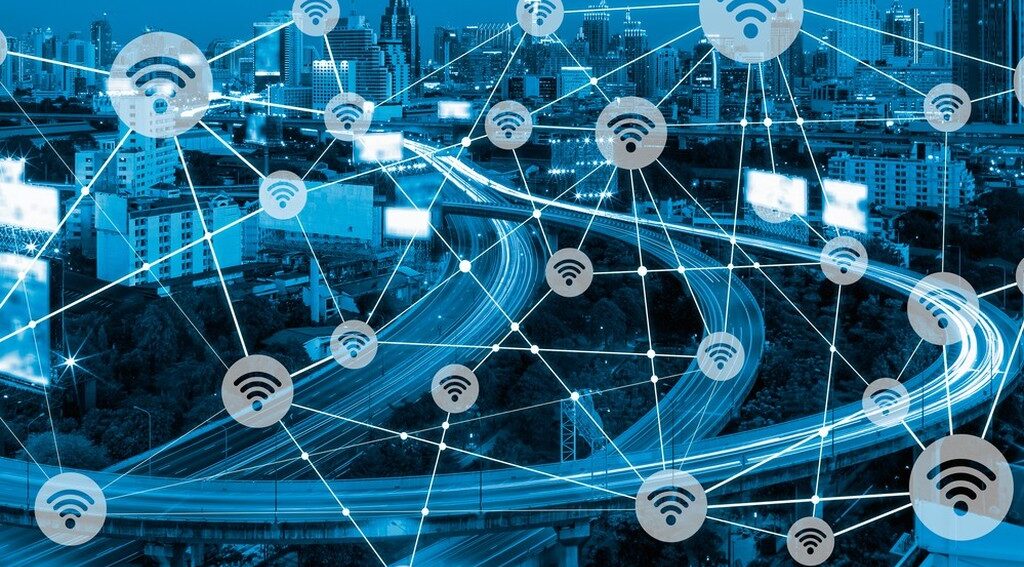
In addition to optimizing personal and professional connectivity, 5G is set to revolutionize various aspects of our daily lives through innovations such as the Internet of Things (IoT) and smart city infrastructure. As billions of devices become interconnected, we can anticipate enhanced efficiency, better resource management, and improved public safety. For instance, 5G can enable real-time monitoring of traffic systems, leading to smarter urban planning and optimized transit routes. Furthermore, the technology will pave the way for advancements in autonomous vehicles and remote healthcare services, demonstrating that the rise of 5G is not just about faster internet but also about creating a seamless, interconnected future.
Counter-Strike is a highly popular first-person shooter game that pits teams of terrorists against counter-terrorists in various objective-based scenarios. Players can choose different weapons and strategies, making each match unique and competitive. For gamers who enjoy immersive audio experiences, check out the Top 10 Earbuds for Small Ears to enhance their gaming sessions.
How Wi-Fi 6 is Revolutionizing Wireless Networks
As the demand for faster and more reliable internet continues to grow, Wi-Fi 6, also known as 802.11ax, is paving the way for a new era of wireless networking. This latest generation of Wi-Fi technology offers significant improvements over its predecessor, Wi-Fi 5. With faster speeds, increased capacity, and better performance in crowded environments, Wi-Fi 6 is designed to handle the needs of modern devices that require high bandwidth, such as 4K streaming and online gaming. Its advanced features, including Orthogonal Frequency Division Multiple Access (OFDMA) and improved Multi-User Multiple Input Multiple Output (MU-MIMO), ensure that users can connect multiple devices simultaneously without sacrificing speed or performance.
In addition to enhanced speed and capacity, Wi-Fi 6 introduces several key benefits that enhance the overall user experience. One of the standout features is its ability to lower latency, making it ideal for applications that require real-time data transmission, such as virtual reality and augmented reality. Moreover, the improved network efficiency means that users can expect a more stable connection, even in dense environments like stadiums or offices. With the integration of Wi-Fi 6, businesses and consumers alike can enjoy a future-proof solution that not only meets today's demands but also prepares them for the advancements of tomorrow's technology, ensuring that wireless networks remain robust and reliable.
What Are the Implications of Untethered Connectivity for Smart Cities?
Untethered connectivity is revolutionizing the way smart cities operate, presenting both opportunities and challenges. By enabling seamless communication between devices through wireless networks, cities can enhance public services, improve resource management, and foster community engagement. For instance, with enhanced connectivity, traffic systems can analyze real-time data from vehicles and pedestrians, reducing congestion and improving safety. Additionally, cities can deploy smart sensors to monitor air quality, waste management, and energy consumption, thereby promoting sustainability and efficiency.
However, the implications of untethered connectivity are not solely positive. The reliance on wireless networks raises significant concerns about data security and privacy. As more devices connect to the internet, the risk of cyberattacks increases, threatening not only individual privacy but also the integrity of urban infrastructure. Cities must prioritize robust cybersecurity measures and establish comprehensive privacy regulations to protect their citizens. Furthermore, the digital divide could widen if access to these technologies remains unequal, potentially leaving marginalized communities behind in the smart city initiative.